Spinal Decompression
What is Spinal Decompression
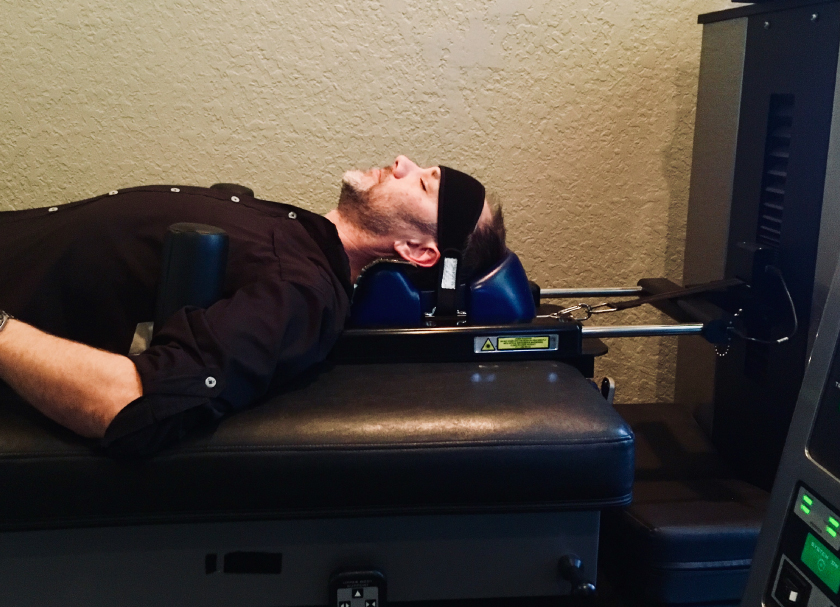
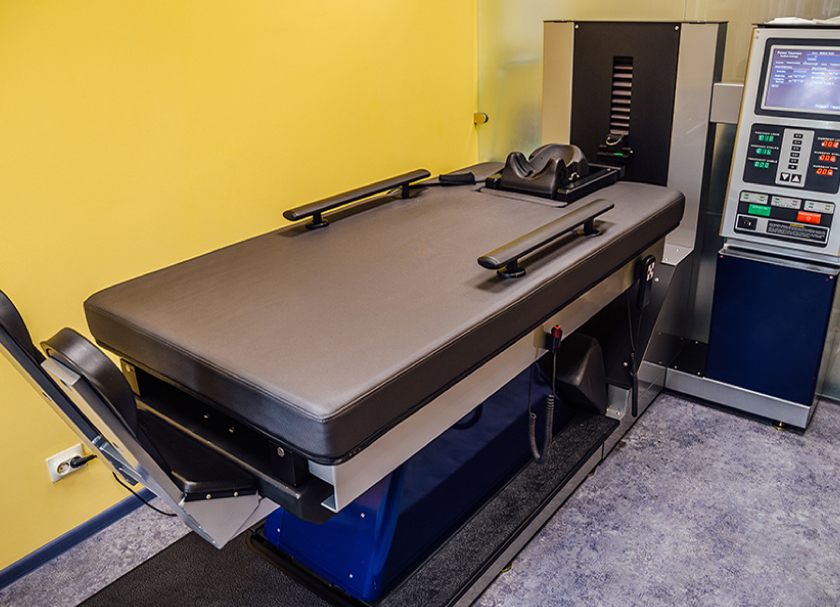
Spinal Decompression Therapy involves stretching the spine, using a traction table or similar motorized device, to relieve back pain and/or leg pain.
This procedure is called nonsurgical decompression therapy (as opposed to surgical spinal decompression, such as laminectomy and microdiscectomy).


Why Spinal Decompression Is Done?
Spine injuries or degeneration (wear and tear) to your spine can cause pain. You might feel pain from compression in your spine that puts pressure on your spinal cord or nerves. Spinal decompression is done to relieve the pressure to ease the pain.
Benefits of Spinal Decompression:
- It’s highly effective
- Pain-free therapy
- Long-term results of treatment
- Improved posture
- It’s a process you can rest assured that treatments will be effective.
What to Expect During Spinal Decompression Treatment
Here are some things you can expect during a spinal decompression treatment:
Preparation
You may be asked to wear comfortable clothing and remove any jewelry or accessories.
Positioning
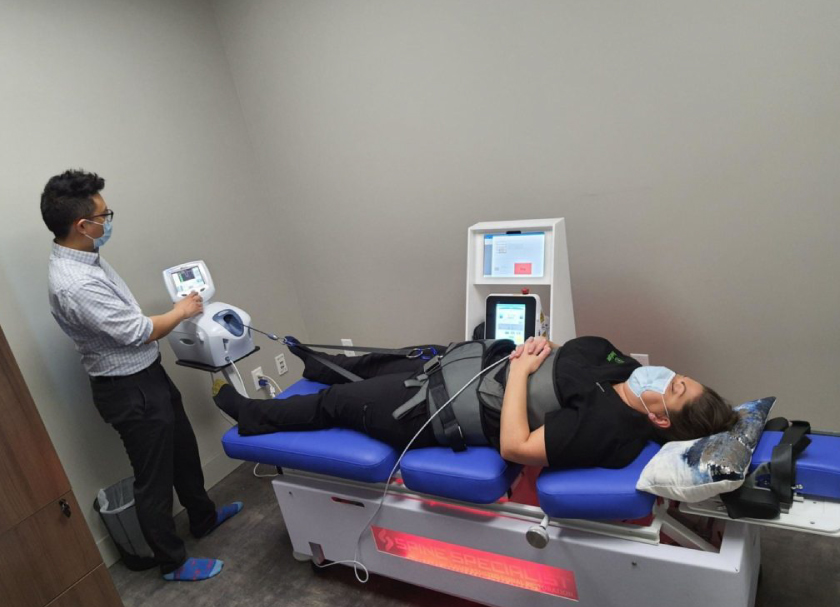
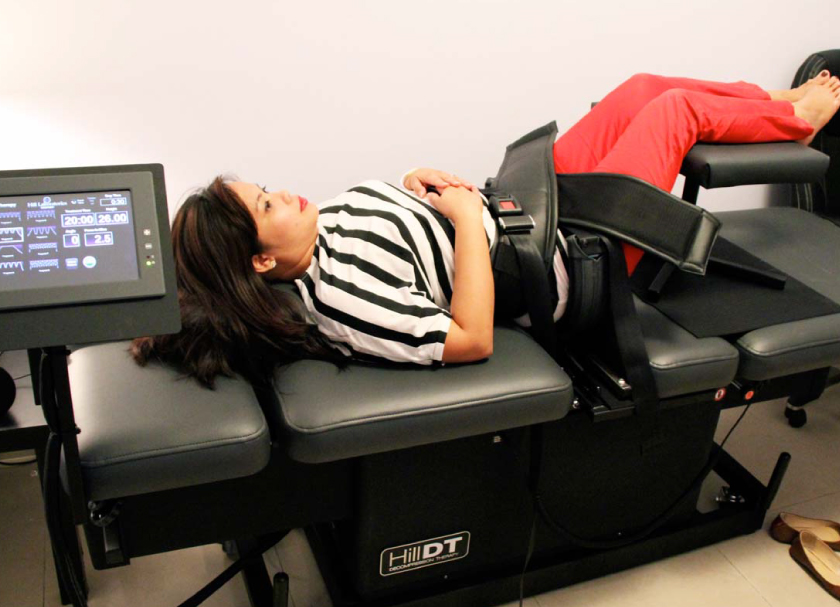
Your doctor or chiropractor will position you on the table or device so that your spine is properly aligned for the treatment.
Treatment
Your doctor will use the table or device to gently stretch your spine, which creates negative pressure in the discs of your spine. This stretching may last for several minutes and may be repeated multiple times during the treatment.

Monitoring
Your doctor or chiropractor will monitor you throughout the treatment to ensure that you are comfortable and that the treatment is working effectively. They may adjust the intensity or duration of the stretching to maximize the benefits.
Post-treatment
After the treatment is complete, you may be given some simple exercises or stretches to do at home to help maintain the benefits of the treatment. You may also be advised to avoid certain activities or movements for some time to allow your spine to fully heal.

When do you need Spinal Decompression Treatment?
Some common reasons you might need spinal decompression treatment include:
- Bulging disks when a cushion between vertebrae bulges out.
- Degenerative disks, when the cushion between vertebrae starts wearing out.
- Herniated disks, when part of a disk pushes on a nerve
- Back or neck pain or sciatica, which is pain, weakness, or tingling that extends down the leg
- Injured or diseased spinal nerve roots
- Bulging or herniated disks or degenerative disk disease
- Worn spinal joints (called posterior facet syndrome)

Types of Spinal Decompression
- laminectomy – where a section of bone is removed from one of your vertebrae (spinal bones) to relieve pressure on the affected nerve.
- discectomy – where a section of a damaged disc is removed.
- Spinal fusion – where two or more vertebrae are joined together with a bone graft.
Causes and Symptoms of Spinal Decompression
CAUSES
Usually, a medical history and a physical exam are enough for a healthcare provider to diagnose the cause of neck pain. A healthcare provider will first eliminate serious causes of neck pain, like pressure on your spinal cord, myelopathy, an infection or cancer.
Herniated or bulging discs
A herniated or bulging disc can put pressure on the nerves exiting the spinal cord, leading to spinal decompression.
Spinal stenosis
A narrowing of the spinal canal due to arthritis or a herniated disc can cause spinal decompression.
Degenerative disc disease
As the discs in the spine wear down, they can bulge or herniate, leading to spinal decompression.

Trauma
A spinal injury can cause spinal decompression.
Tumors
Abnormal growths on or near the spine can put pressure on the spinal cord, leading to spinal decompression.
Osteoporosis
The weakening of the bones can lead to spinal fractures, which can cause spinal decompression.
SYMPTOMS
- Numbness or tingling in the arms or legs.
- Weakness in the arms or legs.
- Pain in the back, legs, or arms.
- Loss of bladder or bowel control.
- Loss of bladSciatica: A shooting pain that travels down one or both legs.der or bowel control.
- Difficulty standing or walking.
- Muscle spasms.
- Reduced range of motion in the back or neck.
- Difficulty with fine motor skills or coordination.
Treatments for Spinal Decompression
Usually, a medical history and a physical exam are enough for a healthcare provider to diagnose the cause of neck pain. A healthcare provider will first eliminate serious causes of neck pain, like pressure on your spinal cord, myelopathy, an infection or cancer.
Risk in Spinal Decompression Therapy
Medications can cause allergic reactions, and alternative therapies may not work. Decompression surgical options can cause infection, bleeding, blood clots, or nerve or tissue damage.
Prevention for Spinal Decompression
Spinal decompression exercises can improve your overall health by stretching and strengthening your spine. These exercises improve stability, posture, and alignment, enhancing comfort in your daily movements. For best results, do spinal decompression exercises a few times per week. Balance your fitness routine with strength training and low-impact cardio such as swimming and biking.

PROCEDURE
The Treatment Procedure of Spinal Decompression
Treatment: The table or device will be programmed to apply gentle, intermittent traction to your spine. The traction will gradually increase in intensity over time, and will then be released. This cycle will be repeated several times during the treatment session.
Post-treatment: After the treatment, you may be given ice or heat therapy to help reduce any discomfort or inflammation. You may also be given exercises or stretches to do at home to help maintain the benefits of the treatment.

FAQ's
Frequently Ask Questions for Head & Neck Pain
1.If I undergo Spinal Decompression treatment, how long does it take to see the results?
Most patients report a reduction in pain after the first few sessions. Typically, significant improvement is obtained by the second week of treatment.
2. How long does it take to complete Spinal Decompression treatment?
Patients remain on the system for 30-45 minutes, daily for the first 2 weeks, three times a week for the following 2 weeks, and followed up by two times a week for the last 2 weeks.
3. Are there any side effects to the treatment?
Most patients do not experience any side effects. Though, there have been some mild cases of muscle spasms for a short period.
4.Can Spinal Decompression be used for patients that have had spinal surgery?
In most cases, Spinal Decompression treatment is not contra-indicated for patients that have had spinal surgery. Many patients have found success with Spinal Decompression after a failed back surgery.
5. Who is not a candidate for Spinal Decompression therapy?
Anyone who has recent spinal fractures, surgical fusion or metallic hardware, surgically repaired aneurysms, infection of the spine, and/or moderate to severe osteoporosis.
6. Who is a candidate for Spinal Decompression?
Anyone who has been told they need surgery but wishes to avoid it, anyone who has been told there is nothing more available to help, anyone who failed to significantly respond to conservative options (medications, physical therapy, injections, chiropractic, acupuncture), or anyone who still has pain but wishes to obtain the type of care they want.


Ready To Get Started?
We have made it easy to request your first appointment with our doctors.