
Head & Neck Pain
Head and neck pain is an extremely common condition and there are many recognisable symptoms associated with it. Neck pain is often associated with headaches and can also refer to pain in the shoulder and arm.
Our physiotherapists at Platinum Physiotherapy provide comprehensive assessment and treatment for head and neck conditions including:
- Headaches
- Acute wry neck pain
- Cervical postural syndrome
- Nerve root pain
- Stiff Neck
- Whiplash


What do they do in neck therapy?
It usually includes stretching and strengthening exercises, which build neck strength, improve flexibility, and train the muscles that are attached to the cervical spine. Stronger back and core muscles also help provide proper support for the spine and prevent neck pain.
Benefits:
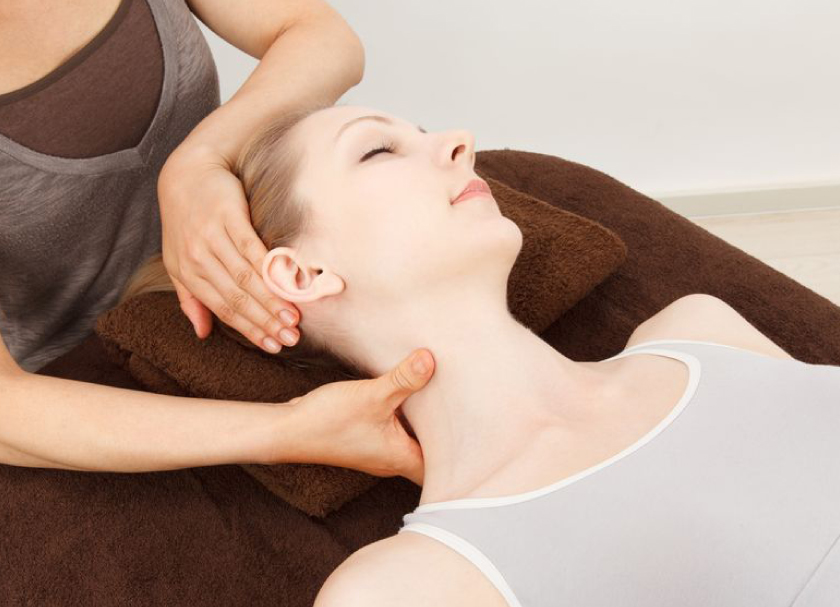
A head massage may help relieve stress and reduce tension. It may also ease migraine or headache pain, lower blood pressure, improve circulation to your head and neck, and promote hair growth. Before using essential oils, make sure they’re diluted, and do a patch test before using on a large area of skin.
When to see your doctor
If symptoms persist for more than a week, consult a doctor. Also see a doctor if you have:
- severe neck pain without apparent cause
- a lump in your neck
- fever
- headache
- swollen glands
- nausea
- bladder or bowel dysfunction
- vomiting
- trouble swallowing or breathing
- weakness
- numbness
- tingling
- pain that radiates down your arms or legs
- inability to move your arms or hands
- inability to touch your chin to your chest
Conditions
A head massage may help relieve stress and reduce tension. It may also ease migraine or headache pain, lower blood pressure, improve circulation to your head and neck, and promote hair growth.
Symptoms of neck pain may include:
Stiff neck
People with neck pain often describe feeling as though their neck is “stiff” or “stuck.” Neck pain can sometimes cause a decreased range of motion.
Sharp pain
Neck pain may feel like sharp or “stabbing” pain that is localized to one area.
Pain when moving
Neck pain is often exacerbated by moving, twisting, or extending your cervical spine, either from side to side or up and down.
Pain when palpated
Neck pain may increase if your cervical spine is palpated (physically examined).
Radiating pain or numbness
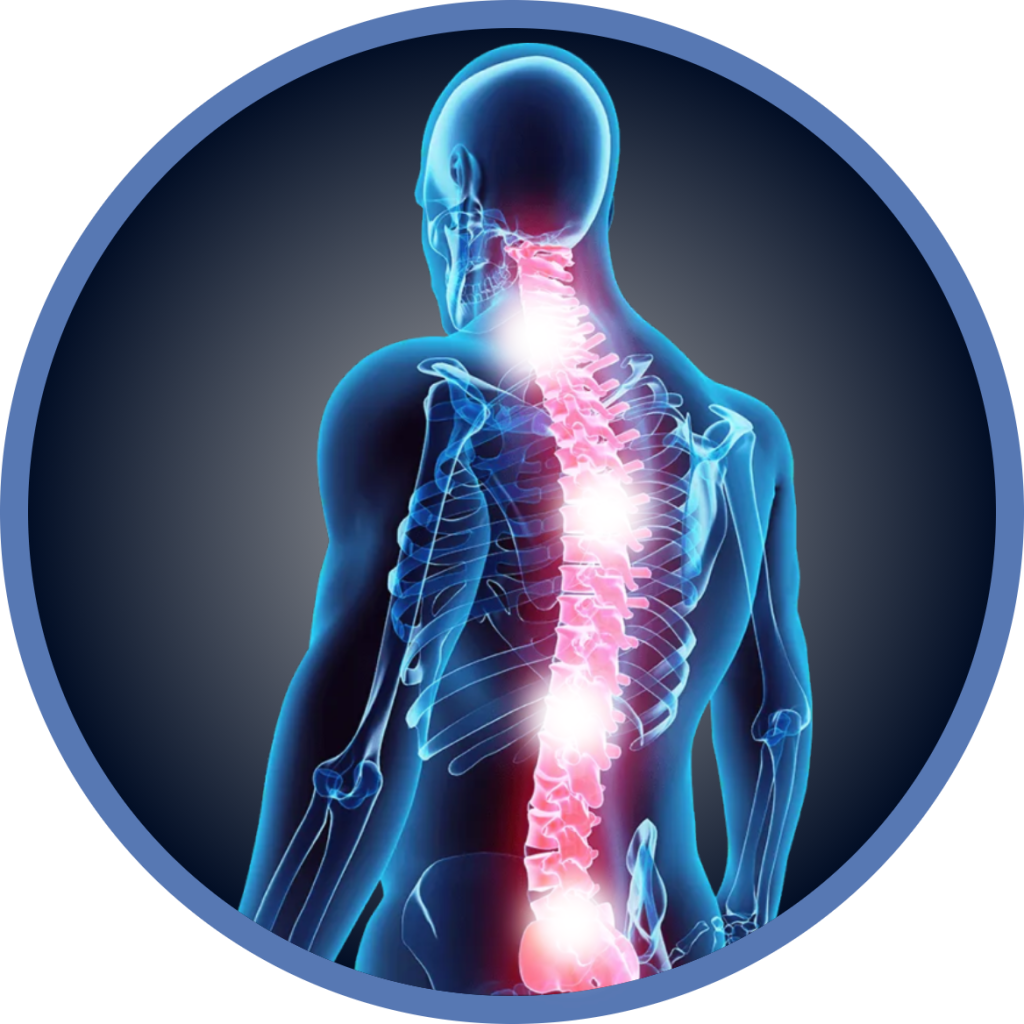
Your neck pain may radiate to your head, trunk, shoulder, and arms. If your neck pain involves the compression of a nerve, you may feel numbness, tingling, or weakness in either of your arms or hands. Neck pain that is from a pinched nerve may feel like a burning or sharp pain that starts at the neck and travels down the arm. Talk with a doctor if you experience this symptom.
Headache
Pain that starts in your neck may also produce a headache called a cervicogenic headache. Neck pain with a headache may also be a symptom of a migraine headache.

Causes of neck pain
- poor posture
- working at a desk for too long without changing position
- sleeping with your neck in a bad position
- jerking your neck during exercise
Treatments
Usually, a medical history and a physical exam are enough for a healthcare provider to diagnose the cause of neck pain. A healthcare provider will first eliminate serious causes of neck pain, like pressure on your spinal cord, myelopathy, an infection or cancer.

Medical history

X-rays

Physical exam

Magnetic resonance imaging (MRI)

Imaging tests

Computed tomography (CT) scan

Electrodiagnostic tests

Lab tests
How is neck pain managed or treated?
Treatment aims to relieve your pain and improve movement in your neck. Most causes of neck pain eventually improve and can be managed at home. Your provider will suggest treatments to manage your symptoms, including:
Pain medications and muscle relaxers
Medicines, including nonsteroidal anti-inflammatory drugs (NSAIDs) to ease neck pain and inflammation, and muscle relaxants to help your neck muscles heal, are common first-line treatments for neck pain.
Physical therapy
You may work with a physical therapist or a fitness trainer to learn exercises and movements that strengthen the muscles and tendons in your neck and improve flexibility.
Transcutaneous electrical nerve stimulation (TENS) unit
A TENS unit applies a low-level electrical current to your skin near your nerves to disrupt the pain signal causing discomfort.

Steroid injections
A shot near the nerve roots can reduce inflammation and relieve pain.
Alternative therapies
Your provider may recommend acupuncture to relieve pain, or massage to help loosen tightened muscles contributing to your discomfort.
Surgery
Most causes of neck pain don’t require surgery. Still, you may need surgery if one or more of the vertebrae in your spine has shifted out of place or is putting pressure on your nerves.

Prevention
You can take steps to prevent neck pain related to strains and tense muscles.
- Practice good posture. Position electronic devices, like computers and phones, so you don’t have to slouch or strain your neck when using them.
- Adjust your sleep position. Maintain good posture when you’re asleep. If you sleep on your back or side, use a pillow to support your head so your head and neck are aligned with the rest of your body.
- Stay active. If you work a job that involves sitting for long periods, take occasional breaks to move around and stretch your entire body, including your neck muscles.
- Don’t carry heavy weight on your shoulders. Avoid carrying heavy objects like book bags or suitcases over your shoulder. Instead, consider using luggage or bags with wheels.

- Exercise your upper back extensor muscles. It’s normal to lose strength in your upper back as you age. As a result, your shoulders rock forward, and your head tips forward in a position in front of your spine.
- Exercises that can help strengthen your upper back extensor muscles include:
- sleeping with your neck in a bad position
- Scapular squeezes: Pinch your shoulder blades together 10 times.
- Standing push-ups: Do push-ups in a door frame, allowing your shoulders to go past your hands 10 times.
- Theraband rowing: Wrap the middle of a theraband around a doorknob so it’s stable. While standing, grab an end with each hand. Pull your hands toward your waist 10 times.

WHO
What does head and neck surgery include?
Head and Neck Surgery. Head and neck surgery can treat a variety of problems of the head and neck. Conditions include thyroid problems, sinus disorders and head and neck cancers. Many patients with cancers in the head or neck receive surgery to remove tumors and cancerous tissue.

FAQ's
Frequently Ask Questions for Head & Neck Pain
1.What are common head and neck conditions?
Common infections such as a cold, pharyngitis, sinusitis, mononucleosis, strep throat, ear infection, or infected tooth often cause swollen lymph nodes. However, swollen lymph nodes can also signify more serious conditions.
2. What are the complications of head and neck?
In head and neck surgery, complications can arise due to airway compromise, vascular injury, infections and rarely physiologic causes. Carefully performed surgery is the cornerstone of success.
3. What are the side effects of head and neck surgery?
Common side effects from head and neck surgery include temporary or permanent loss of normal voice, impaired speech, and hearing loss. People often have difficulty chewing or swallowing after cancer surgery, which may require a tube inserted in the stomach for feeding purposes.
4.What is the purpose of head and neck assessment?
The head and neck. Peritonsillar Abscess examination is the portion of the physical examination done to observe for signs of head and neck. Peritonsillar Abscess disease or illness.
5.What is the most common head neck and spine injury?
The most common neck injuries include a crick in the neck, a muscle strain, a neck sprain, whiplash, a herniated disc, a neck fracture (break in a cervical bone), a cervical dislocation, stingers and burners (temporary injuries to the nerve root or brachial plexus), and a spinal cord injury.


Ready To Get Started?
We have made it easy to request your first appointment with our doctors.