Laser Therapy
A laser is a device that emits light through a process of optical amplification based on the stimulated emission of electromagnetic radiation. The word laser is an acronym that originated as an acronym for light amplification by stimulated emission of radiation.
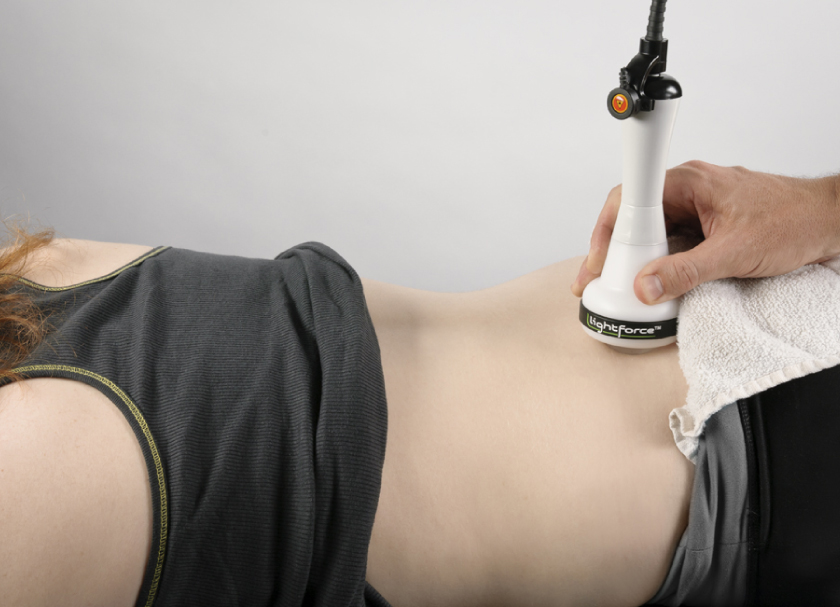
Benefits
A head massage may help relieve stress and reduce tension. It may also ease migraine or headache pain, lower blood pressure, improve circulation to your head and neck, and promote hair growth. Before using essential oils, make sure they’re diluted, and do a patch test before using on a large area of skin.
A laser is a device that emits light through a process of optical amplification based on the stimulated emission of electromagnetic radiation. The word laser is an acronym that originated as an acronym for light amplification by stimulated emission of radiation.
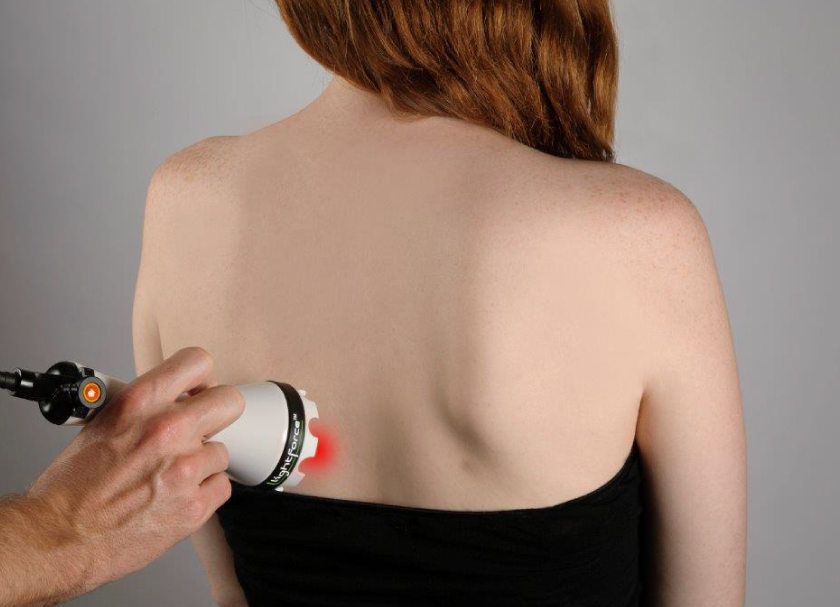
- Lasers are more precise than traditional surgical instruments, and cuts can be made shorter and shallower. This causes less damage to tissue.
- Laser operations are usually shorter than traditional surgeries. They can often be done on an outpatient basis. You also don’t have to spend the night in the hospital. If general anesthesia is required, it’s usually used for a shorter time.
- People also tend to heal faster with laser operations. You may have less pain, swelling, and scarring than with traditional surgeries.
What to Expect
Recovery after laser surgeries is similar to that of typical surgery. You may need to rest for the first few days after the operation and take over-the-counter pain medication until the discomfort and swelling have gone down.
Recovery after laser therapy varies based on the type of therapy you received and how much of your body was affected by the therapy.
When you need
Laser therapy may be used to:
- shrink or destroy tumors, polyps, or precancerous growths.
- relieve symptoms of cancer.
- remove kidney stones.
- remove part of the prostate.
- repair a detached retina.
- improve vision.
- treat hair loss resulting from alopecia or aging.
- treat pain, including back nerve pain.
Some common laser surgeries include:
- refractive eye surgery (often called LASIK)
- tooth whitening
- cosmetic scar, tattoo, or wrinkle removal
- cataract or tumor removal
Causes and symptoms
Laser stands for Light Amplification by the Stimulated Emission of Radiation. One basic type of laser consists of a sealed tube, containing a pair of mirrors, and a laser medium that is excited by some form of energy to produce visible light, or invisible ultraviolet or infrared radiation.
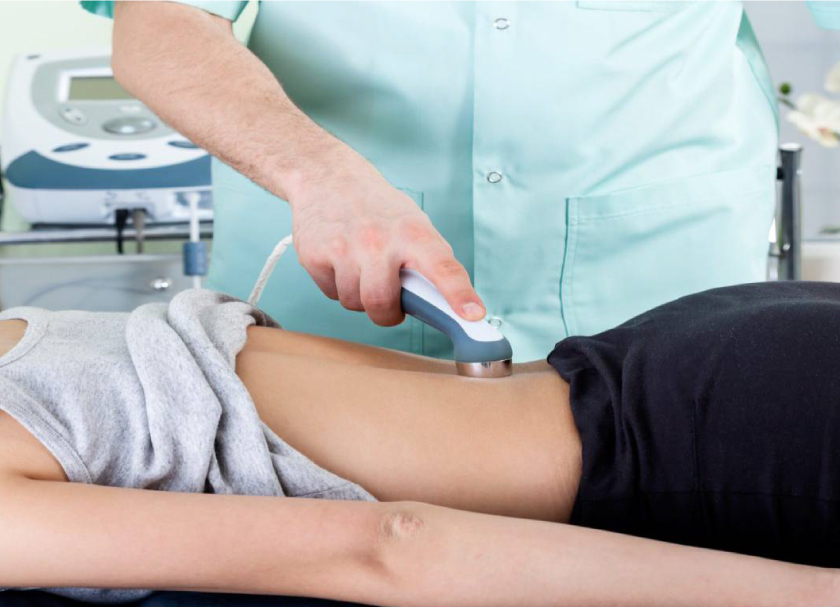
Types of Laser Treatment
- Photodynamic therapy
- Laser therapy
- Laser surgery
Risk factors
Bleeding
Scarring
Infection
Changes in skin color
Pain
Computed tomography (CT) scan
Some laser surgery is performed while you’re under general anesthesia, which carries its own set of risks. They include:
Pneumonia
Confusion after waking from the operation
Stroke
Heart attack

HOW
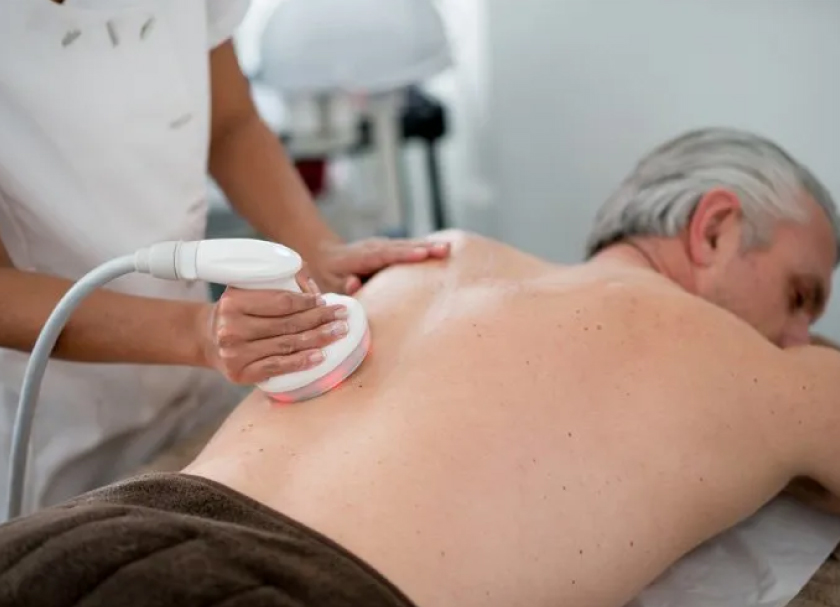
How is laser therapy done?
FAQ's
Frequently Ask Questions for Laser Therapy
1.What can laser treatment do?
Laser resurfacing can lessen the appearance of fine lines in the face. It can also treat loss of skin tone and improve your complexion. Laser resurfacing can't eliminate excessive or sagging skin.
2. Is laser treatment safe?
In the hands of a board-certified dermatologist, laser treatment can safely treat many types of scars. When the person performing your laser treatment lacks medical expertise and specialized knowledge of the skin, laser treatment may not give you the results you seek.
3.Is laser treatment successful?
You can expect a 10% to 25% reduction in hair after the first treatment. To remove the hair, most patients need 2 to 6 laser treatments. After finishing the treatments, most patients do not see any hair on the treated skin for several months or even years
4.What is the best age to get laser?
Since these hormonal changes impact hair growth, the most effective time to start laser hair removal is after eighteen.
5.Is there an age limit for face laser?
We advise that due to hormonal changes/puberty, we do not recommend under 12 years of age.


Ready To Get Started?
We have made it easy to request your first appointment with our doctors.